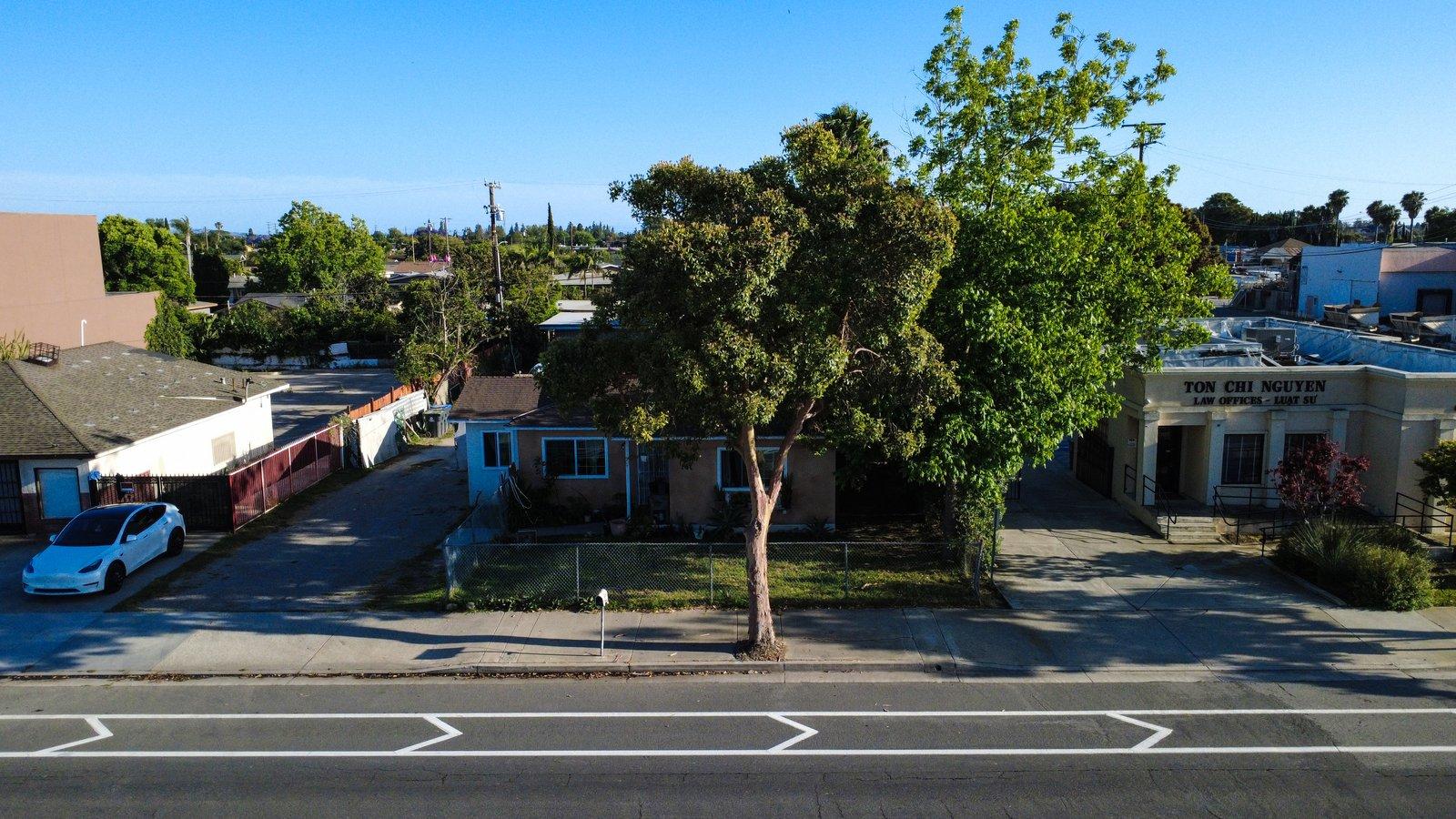
An assemblage is only valuable if you actually control all of it. Two adjacent parcels with different owners, timelines and expectations create a coordination challenge, and a poorly structured deal can leave a buyer owning one lot that does not work without the other. This article outlines how to approach concurrent acquisition of 4802 W 1st Street and 4728 W 1st Street.
The core risk: owning half an assemblage
Suppose a buyer closes on one parcel and the other seller backs out, raises the price or sells to someone else. The buyer now holds a smaller site with fewer options and, potentially, a neighbor with significant leverage. The goal of the deal structure is to make sure that either both parcels close or neither does.
Four building blocks
- Parallel purchase agreements. Each parcel has its own contract, but the terms are drafted so the closings align, with comparable due diligence periods, deposit schedules and closing dates.
- Cross-contingencies. Each contract states that the buyer's obligation to close is conditioned on the simultaneous closing of the other purchase.
- Coordinated escrows. Escrow officers handling both transactions work from the same timeline so funds, title policies and recordings happen together.
- A single acquiring entity. One special-purpose entity takes title to both parcels, keeping ownership clean for lenders and equity partners.
The financial multiplier
Under the campaign's working underwriting, the combined land basis is approximately $1.7 million, with an effective $85,000 to $121,000 per door across a 14 to 20 unit program. The standalone parcel at 4802 W 1st Street is listed at $1,655,000, and the buyer should confirm the terms for 4728 W 1st Street directly with the listing team. When the project reaches a projected gross sellout of $10.5 million to $15.2 million, the value of controlling both parcels dwarfs the cost of careful structuring.
Aligning the due diligence period
A buyer should avoid a situation in which one parcel's contingency period expires before the other's. Findings on the environmental, geotechnical, utility or title work for one site often affect the other. Aligning deadlines and including extension rights keeps both options open.
Deposits and risk allocation
Seller expectations on deposits, release timing and liquidated damages should be negotiated with the full structure in mind. A larger deposit that goes hard too early could expose the buyer if the other parcel fails. Counsel should draft the deposit provisions so the buyer's exposure is tied to the overall assemblage.
Practical communication
Sellers appreciate clarity. Presenting the assemblage as a coordinated opportunity, with transparent timelines and credible funds, can build trust and encourage cooperation. Working through a single listing team, as in this case, can simplify negotiations and reduce the risk of conflicting messages.
Takeaway
For acquisition attorneys and joint venture partners, the formula is straightforward: align the contracts, cross-condition the closings, coordinate the escrows and hold title in a clean entity. Done well, it converts two modest lots into one strong development site.
It also helps to prepare a clear decision tree before negotiations begin. Decide in advance what you will do if one seller asks for a price increase, requests a longer closing or refuses a contingency. Knowing your walk-away points, and who has authority to make decisions on your side, allows the team to respond quickly and professionally. In a coordinated acquisition, speed and clarity are advantages, because they keep both sellers engaged and prevent the deal from drifting.
This content is for informational purposes only and is not legal advice. Transaction structure should be designed with a qualified real estate attorney. Terms for each parcel must be confirmed directly with the listing team. Listing brokerage: Century Financial Group.