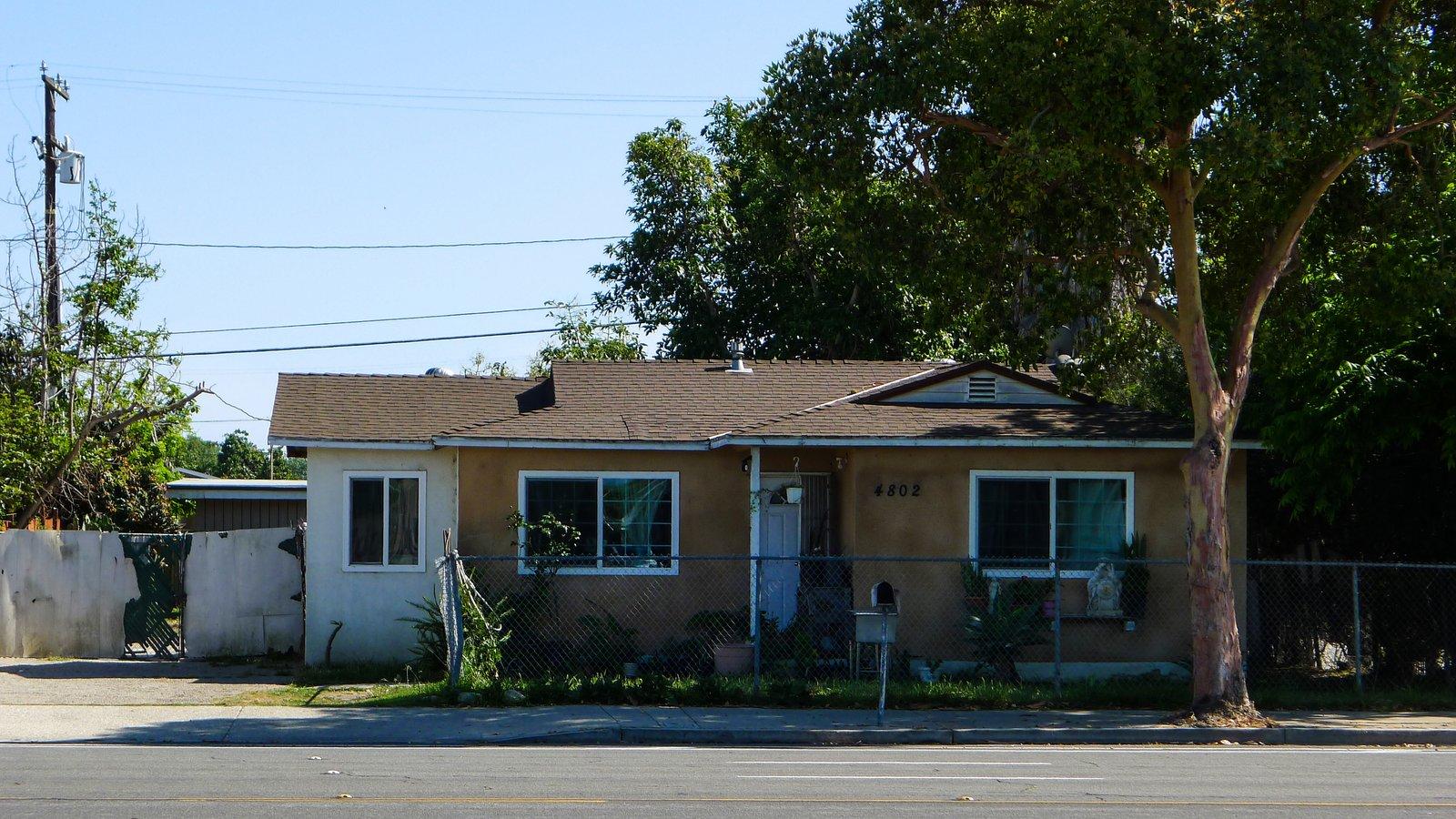
Utilities are the least glamorous part of a development, and often the most expensive when something goes wrong. A site that looks perfect on paper can lose months and six figures if the water main is undersized or the sewer is at capacity. This article lays out how civil engineers and site contractors should approach utility and infrastructure due diligence for 4802 W 1st Street and its neighbor at 4728 W 1st Street.
Why infill has an advantage, and why it still needs checking
One of the benefits of urban infill is that a site is typically surrounded by existing infrastructure. Streets, sidewalks, water lines, sewer mains, gas lines and electric service are usually already in place nearby. That reduces the off-site work that burdens large greenfield projects.
But "nearby" is not the same as "adequate." A project that replaces a small commercial building with 14 to 20 homes will increase demand on water, sewer and electric systems. Capacity, pressure, and condition all need to be verified.
The five systems to evaluate
- Water. Confirm the size and location of the nearest main, available pressure and fire flow, and whether a new fire hydrant or upgraded service is required.
- Sewer. Identify the nearest main, its depth and capacity, and whether the city will require a flow study or downstream improvements.
- Storm drainage. Understand how stormwater leaves the site today and what water quality and detention measures the city will require for new development.
- Electric. Work with the local utility to determine available capacity, transformer needs and any required easements.
- Gas and telecom. Verify service availability, meter locations and any joint-trench opportunities.
Documents and requests to pursue
A thorough review typically includes:
- As-built utility plans from the City of Santa Ana
- Will-serve or availability letters from each provider
- A boundary and topographic survey that locates existing utilities
- A CCTV inspection of any existing sewer lateral that might be reused
- A preliminary grading and drainage plan
Early outreach also reveals the lead times for utility upgrades, which can be long and sometimes drive the project schedule more than design does.
Cost implications
Utility work can range from minor service connections to major main extensions. In a pro forma, a prudent buyer carries a clear line item for on-site and off-site utilities, plus a contingency. Surprises discovered after closing hit the equity directly, so the best time to find them is during the due diligence period.
How the assemblage helps
Combining 4802 and 4728 W 1st Street gives engineers more flexibility. A larger site, roughly 18,092 square feet, allows for shared utility trenches, a single sewer connection strategy, centralized stormwater management and more efficient meter locations. These efficiencies can lower per-unit infrastructure cost compared with developing the lots separately.
Coordination with entitlement
Utility capacity findings also influence the entitlement path. Cities often condition approvals on specific infrastructure improvements, so the engineering team should coordinate closely with the planner and architect so conditions are anticipated rather than discovered at the end.
Bottom line
Infrastructure diligence is inexpensive compared with the cost of an unpleasant surprise. For civil engineers and site prep contractors evaluating this opportunity, the goal is simple: confirm that the site is ready to serve a 14 to 20 unit community, and price any required improvements into the bid.
One more practical tip: ask each utility provider for realistic lead times in writing. Transformer deliveries, main extensions and meter sets can take months, and those timelines should be reflected in the project schedule and in the construction loan term. A buyer who plans for these dependencies early avoids the frustrating situation in which finished homes sit empty while waiting for service. Share the findings with your lender and contractor so everyone works from the same assumptions.
This content is for informational purposes only and is not engineering or legal advice. Utility conditions must be verified with the City of Santa Ana and service providers. Listing brokerage: Century Financial Group.