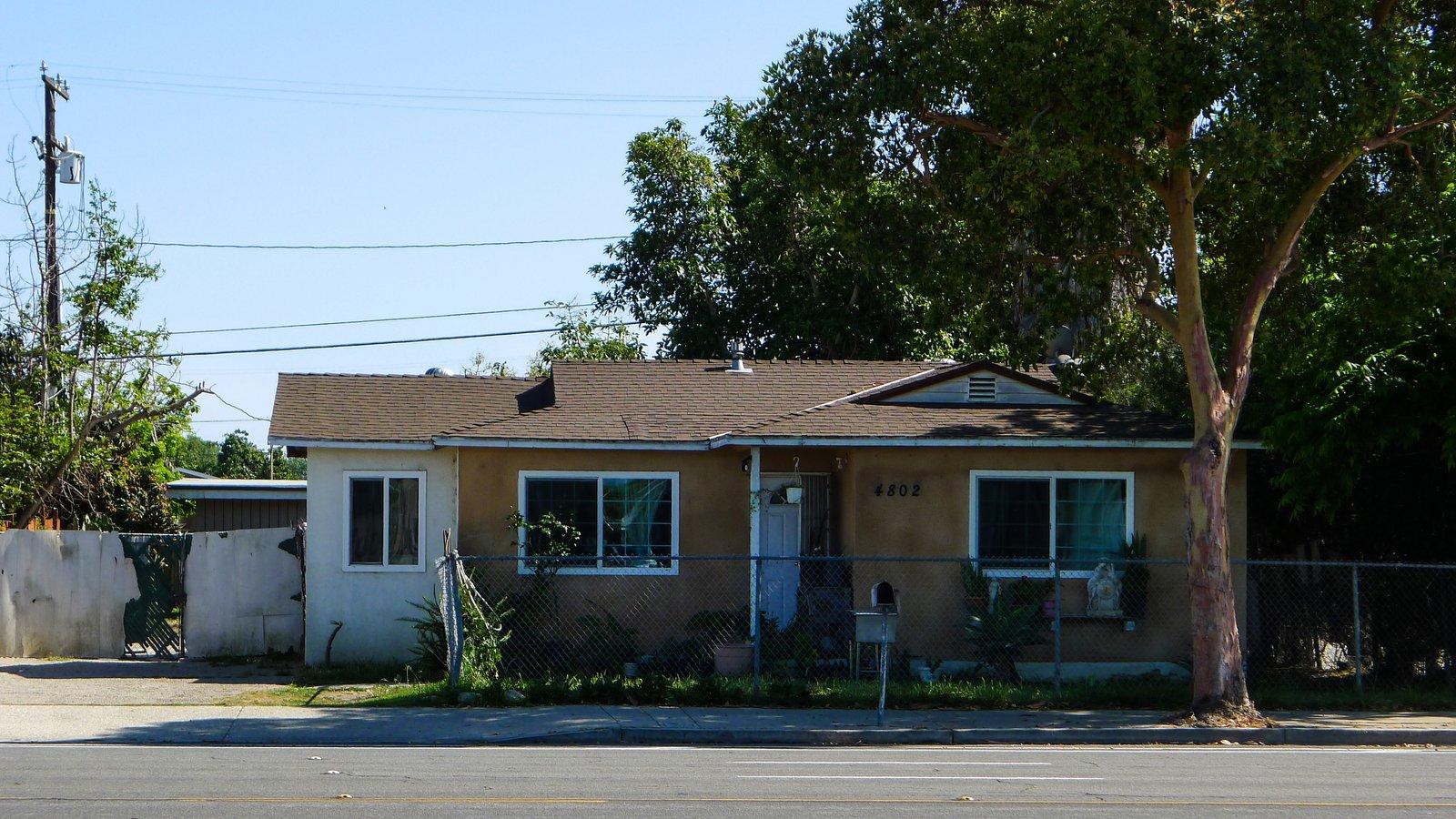
Environmental surprises are among the most feared words in development. A contaminated site can reshape the budget, delay the schedule and complicate financing. The good news is that the right diligence, done early, converts unknowns into known quantities. This article covers topography and environmental due diligence for the combined site at 4802 and 4728 W 1st Street.
The topography advantage
The site is understood to be relatively flat, which is a meaningful advantage for infill. Flat lots generally mean:
- Lower grading costs because less earth needs to be moved
- Simpler drainage design with fewer retaining walls
- Easier accessibility compliance for entries and paths
- Faster site work and fewer weather-related complications
A topographic survey will confirm elevations, drainage patterns and any subtle slopes that affect stormwater flows, and a geotechnical report will identify soil conditions that inform foundation design.
Why a Phase I ESA matters
A Phase I Environmental Site Assessment (ESA) is a standard first step for commercial property acquisitions. It involves a review of historical records, a site inspection, interviews and a regulatory database search to identify "recognized environmental conditions." For a property with a commercial history, it is the baseline tool for understanding past uses that might have involved fuels, solvents, dry cleaning chemicals or other substances.
A Phase I ESA is also commonly required by lenders and is a key component of protecting a buyer's legal position when acquiring commercial property. Counsel can advise how it relates to liability protections available to purchasers.
What happens if a Phase I finds something
A Phase I does not involve sampling. If it identifies a recognized environmental condition, the next step may be a Phase II ESA, which includes soil, soil gas or groundwater sampling. Results could lead to:
- No further action, if findings are below regulatory thresholds
- Targeted remediation with a defined scope and cost
- Vapor mitigation measures built into the foundation design
- Renegotiation of price or terms with the seller
Because the campaign's land basis is roughly $1.7 million, even a modest remediation allowance can affect returns, which is why the timing of diligence matters.
Other environmental and geotechnical items
- Asbestos and lead-based paint surveys for any structures to be demolished
- Geotechnical investigation covering soil bearing capacity, liquefaction and groundwater
- Stormwater and water quality requirements that influence site design
- Noise and air quality considerations from nearby roadways
Building diligence into the contract
Smart buyers negotiate a due diligence period long enough to complete the Phase I and any follow-up work, and they structure contingencies so they can renegotiate or exit if material issues arise. For a joint acquisition of two parcels, those rights should be coordinated across both contracts.
The takeaway
Environmental risk is manageable when it is identified early. A flat lot and a disciplined diligence plan put the buyer in a strong position to price the site accurately and move into design and entitlement with confidence.
Keep in mind that environmental findings are rarely all-or-nothing. Many commercial infill sites carry minor historical conditions that are addressed with straightforward measures such as soil management plans or vapor barriers. The important thing is to know the scope before the deposit goes hard. Engage a reputable environmental consultant, request a clear scope and schedule, and share the draft report with your lender and counsel as soon as it is available so that any follow-up work can be planned without disrupting the closing timeline.
Finally, document every agreement in writing, including side understandings about access, signage or utilities, so nothing is lost when the transaction moves from negotiation to closing.
This content is for informational purposes only and is not environmental, engineering or legal advice. Site conditions must be independently investigated by qualified professionals. Listing brokerage: Century Financial Group.